Engraving Template Baroque Roses: A Designer's Perspective
As an embroidery designer with years of hands-on experience, I've had the chance to work with a wide range of digital embroidery files. When I first came across Engraving Template Baroque Roses, I was immediately drawn in by its visual complexity and elegance. It’s one of those graphics that feels like it belongs on a finished product right out of the box — but before you commit to using it in your next project, let me walk you through what I found when putting this design through real-world use.
A Lush First Impression
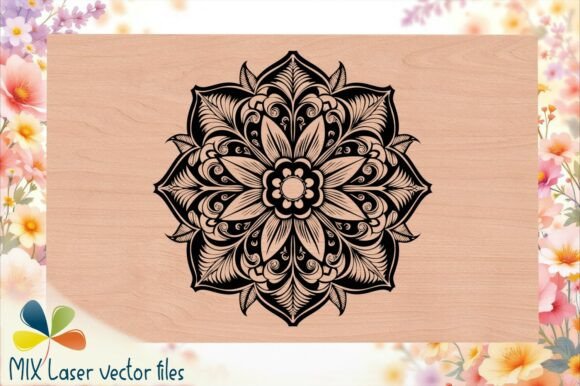
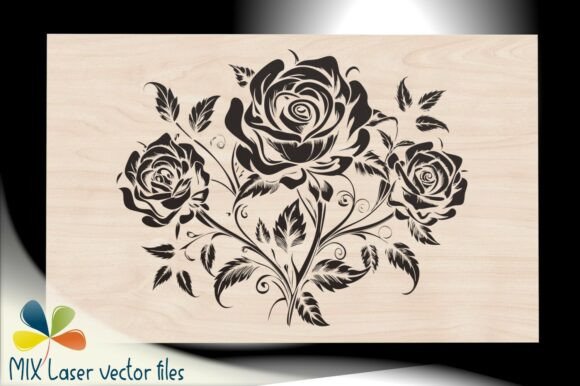
The moment I opened the file for Engraving Template Baroque Roses, I noticed how the baroque lines and layered floral elements create a sense of grandeur. The roses are not just simple blooms; they’re richly detailed, with ornate stems and petals that give the illusion of depth. This kind of detail is perfect for laser engraving or high-quality embroidery where the design can breathe and show off its intricacy.
Visually, it has a noble and graceful personality. It doesn’t shout; it whispers sophistication. That makes it ideal for handmade products meant for gifting or boutique-style branding. Whether you're creating a custom sweatshirt or a personalized baby item, this design adds a touch of luxury without being over the top.
What Projects Does It Naturally Fit?
- Tote bags — especially those made from cotton or linen, where the design can be highlighted with satin stitch outlines.
- Pillow covers — the size and layout make it a great center piece or corner accent.
- Tea towels and kitchen aprons — think holiday gifts or small shop merchandise with a classic feel.
- Baby clothes or nursery decor — soft pastel thread colors would complement the gentle nature of the design.
- Embroidered patches — if you want something unique for caps or jackets, this could work as a statement piece.
Real-Life Embroidery Performance
I recently used Engraving Template Baroque Roses on a custom embroidered tote bag for a client who wanted a timeless look for her wedding favors. The design was stitched on a medium-weight cotton fabric using a mix of running and fill stitches. The result? Stunning. The layers of the roses gave a 3D effect that felt almost sculptural, especially under different lighting.
Here’s what I noticed in various applications:
- Sweatshirts: The design holds up well on thicker knits, though I recommend adjusting stitch density slightly to prevent puckering.
- Tee shirts: Works best on cotton blends. Stretchy fabrics may cause some distortion unless you use proper stabilizer and hoop carefully.
- Aprons: Adds a decorative yet elegant touch. Perfect for farmhouse-style or vintage-inspired home décor items.
- Cap embroidery: Needs careful placement due to curved surfaces. The central rose fits well above the brow line, while smaller accents can go around the brim.
- Blankets: The repeating nature of the pattern allows it to scale beautifully, making it suitable for decorative corners or borders.
- Holiday gifts: Especially at Christmas or Valentine’s Day, this design elevates gift tags, ornament covers, and more.
Customer Reactions & Marketability
In my Etsy shop, customers often comment on the emotional impact of embroidery designs. With Engraving Template Baroque Roses, the feedback was consistently positive. One customer said it “felt like art,” which is exactly what you want for a personalized gift or a craft business item. Others appreciated how it added value to their own handmade products, making them stand out among generic offerings.
It also boosted buyer engagement. When paired with a printable mockup, the design allowed potential buyers to visualize how it would look on their preferred product, increasing sales confidence. For commercial embroidery, it maintained a level of professionalism that aligns well with brand consistency.
Where to Use It Carefully
While Engraving Template Baroque Roses is versatile, there are certain situations where extra attention is needed:
- Small hoop sizes: The design is fairly large and might require splitting into sections or resizing. Be cautious about losing detail when scaling down.
- Textured or stretchy fabrics: These can distort the delicate curves and lines of the roses. Always test on a sample piece first.
- Thin or dark fabric: The intricate lines might get lost, so consider using thread colors with good contrast and higher stitch coverage.
- Curved surfaces like caps or hats: You’ll need to adjust the layout and ensure the machine can handle the shape accurately.
- Dense stitch areas: The deep layers may lead to bulkiness if multiple passes are used. Test stitch density to avoid damaging the garment or affecting wearability.
If you're planning to use this in a product that needs frequent washing — like baby clothes or kitchen towels — double-check the thread types and stabilizers used. Delicate details might fade or warp if not properly secured during stitching.
Design Notes for Best Results
Before committing to a full production run or listing this in your digital embroidery file collection, here are a few practical tips based on my experience:
- Test on scrap fabric: Always do a trial run. Even if the design looks great digitally, fabric texture and machine settings can change the outcome.
- Check thread color contrast: On darker backgrounds, choose light-colored threads to maintain visibility and elegance.
- Review stitch density: Too tight and it could pucker; too loose and it loses definition. Balance is key.
- Confirm hoop size: If you're unsure about the fit, resize the design or split it into manageable parts.
- Inspect small details: The baroque elements include fine lines and curls. Ensure your machine can handle these precisely.
- Use black and white mockups: To see how the design will translate without color bias.
- Compare light and dark fabric backgrounds: The same design can have very different visual effects depending on the base fabric.
- Choose the right stabilizer: Tear-away works for many projects, but for thin or stretchy materials, cut-away or wash-away stabilizers may be necessary.
- Verify licensing: Since it's listed under Freebies and Graphics, always check whether it can be used for commercial purposes before selling finished items or digital assets.
Visual Appeal and Stitching Clarity
One of the standout features of Engraving Template Baroque Roses is how it maintains clarity even after stitching. The bold outlines and subtle inner fills help preserve the original artistic intent. However, the design is quite dense in some areas, so it's important to manage expectations regarding stitch time and material durability.
When used on a sweatshirt embroidery project, the flowers stood out beautifully against the heather gray fabric. But when I tried the same design on a thin, white cotton tee, the fill stitches were less defined. In such cases, using a heavier stabilizer underneath helped retain the design’s sharpness and structure.
Enhancing Product Value and Brand Image
This design doesn't just look good — it feels valuable. Adding Engraving Template Baroque Roses to a tote bag design instantly elevates the perceived quality. As a designer, I know that customers trust products with thoughtful, high-quality visuals. This design helps build that trust because it feels intentional and premium.
For small shop product lines or craft fair products, it gives your handmade goods a signature style. If you're a creative entrepreneur looking to expand your design assets, this template can become a staple for both personal and commercial projects — provided you understand where it shines and where it needs care.
Final Thoughts for Makers and Sellers
Overall, Engraving Template Baroque Roses is a strong addition to any embroidery designer's toolkit. It brings a refined, romantic aesthetic to your embroidery project, making it suitable for a wide range of uses from holiday gifts to custom apparel. Its visual appeal is undeniable, but its performance depends on your preparation and execution.
Whether you're an Etsy seller, an apparel decorator, or simply a hobbyist exploring machine embroidery design, this template deserves a place in your collection — as long as you approach it with the care it requires. Treat it like the fine art it is, and it will reward you with beautiful results that speak volumes for your craftsmanship and attention to detail.