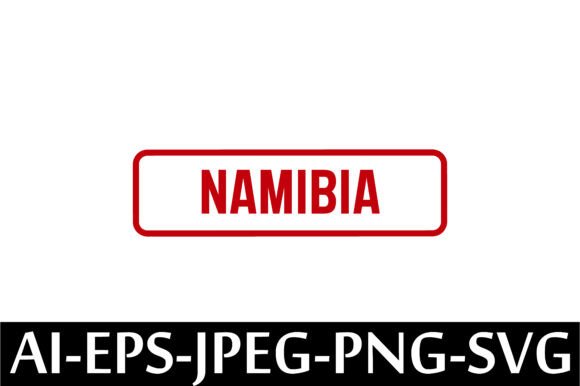
Namibia Rubber Stamp Design Vector – A Freebie with Editorial Pizzazz
As an experienced blog designer and digital publisher, I’m always on the lookout for graphic design assets that bring a fresh, cohesive visual identity to content marketing projects. The Namibia Rubber Stamp Design Vector caught my eye as a freebie in a creative marketplace offering clean and clickable design elements. This vector-based rubber stamp is more than just a decorative flourish—it’s a subtle yet powerful tool that can elevate the mood and professionalism of your website visuals and editorial layouts.
First Impressions: Vintage Meets Modern Branding
The first thing that stands out about the Namibia Rubber Stamp Design Vector is its nostalgic charm. It evokes the look of traditional rubber stamps—those hand-dipped seals from the 20th century—but updates them with crisp vector lines and modern typography options. This blend makes it feel both vintage and current, which is a rare but valuable trait in today’s fast-moving content landscape.
From a visual communication standpoint, the asset sets a tone of authenticity and craftsmanship. It naturally supports niches like lifestyle, small business branding, travel, education, or even niche hobby blogs. Whether you're creating a Pinterest pin about DIY crafts or designing a digital guide for affiliate marketers, this rubber stamp adds a touch of personality without overwhelming the message.
Editorial Mood and Reader Perception
This design asset leans into a lifestyle-focused, slightly artistic vibe. It doesn’t scream “corporate,” nor does it come off as too playful. Instead, it strikes a balance between approachable and professional. That duality helps create reader trust, especially when used consistently across content pages, downloadable resources, and social media previews.
If you’re aiming for a warm, inviting brand identity, the Namibia Rubber Stamp Design Vector can help reinforce that. Its decorative nature also makes it ideal for educational or how-to content where you want to convey helpfulness and creativity. For instance, using it subtly in a category thumbnail for a blog post about productivity tools could signal a resourceful, curated tone.
Real-World Publishing Applications
Here are several practical use cases where the Namibia Rubber Stamp Design Vector shines in real publishing workflows:
- Blog Featured Images: Add a rubber stamp overlay to featured images for articles on travel, personal development, or small business tips. It creates a stronger first impression by suggesting curation and quality.
- Pinterest Graphics: Use the stamp as a corner accent in blog pins or lead magnets. It enhances visual hierarchy and makes your pins stand out in a crowded feed.
- Newsletter Headers: Incorporate the stamp in newsletter banners to give your emails a consistent, branded look. It works especially well with handwritten or script fonts to add a personal touch.
- Digital Guides and Lead Magnets: Apply the stamp as a watermark or signature element on worksheets, printable checklists, or digital guides. It reinforces your brand identity and adds a sense of legitimacy to your content.
- Category Thumbnails: Place the stamp on thumbnails for specific blog categories or landing pages. It improves category recognition and helps readers navigate your site more intuitively.
- Social Media Previews: Use it on Instagram stories, Facebook cover photos, or Twitter headers to maintain a strong visual identity across platforms.
- Canva Templates: If you rely on Canva for quick design tasks, this vector file can be imported and used to build custom templates for content upgrades or email campaigns.
Boosting Content Performance with Visual Consistency
When integrated thoughtfully, the Namibia Rubber Stamp Design Vector contributes to better click-through potential and improved reader engagement. Here’s how it can support your content performance:
- Stronger First Impression: The stamp gives your visuals a polished finish right from the start, making them more appealing at a glance.
- Clearer Visual Hierarchy: When placed near headlines or key points, it draws attention and guides the viewer’s eye through the layout.
- More Consistent Branding: Using the same stamp across multiple assets (like blog graphics, downloadable printables, and social media posts) builds familiarity and strengthens brand recall.
- Improved Reader Trust: A professionally designed stamp signals attention to detail and credibility, especially when used in lead magnets or digital product promotions.
- Better Category Recognition: Repetition of the stamp in thumbnails or headers helps users identify different sections of your blog or website more easily.
- Stronger Visual Identity: This unique design element helps differentiate your content from competitors who might rely on generic stock images or flat icons.
Where to Use It Best
While versatile, the Namibia Rubber Stamp Design Vector performs best in the following areas:
- Hero Images: Overlay it on hero banners to add character while keeping the focus on the headline.
- Article Thumbnails: Use it as a subtle border or background element to make your thumbnails more clickable and memorable.
- Pinterest Pins: As a decorative frame or signature mark, it gives your pins a professional yet creative edge.
- Editorial Accents: Drop it into sidebars, infographics, or article headers to highlight quotes, callouts, or important takeaways.
- Content Upgrades: It looks great on opt-in forms, thank-you pages, and worksheet downloads, reinforcing the value of your offerings.
- Downloadable Resources: Use it on PDFs or image-based guides to add a layer of polish and make your materials look more trustworthy.
- Newsletter Headers: Combine it with a bold font for a header that feels curated and engaging.
Use with Caution: Avoid Overdoing It
Though visually rich, the Namibia Rubber Stamp Design Vector isn't suited for every situation. Be careful when using it in the following contexts:
- Small Mobile Thumbnails: The details may get lost or become distracting at smaller sizes.
- Text-Heavy Blog Images: Too much decoration can interfere with readability and clarity.
- Low-Contrast Backgrounds: Ensure there's enough contrast so the stamp remains visible and legible.
- Busy Layouts: In complex designs with many elements, the stamp might not stand out as intended.
- Serious Professional Niches: While adaptable, the rubber stamp style may not align with highly corporate or technical industries.
- Websites Requiring Minimalism: For ultra-clean web design styles, consider using the stamp sparingly or avoiding it altogether.
Practical Publisher Tips for Optimal Use
To ensure the Namibia Rubber Stamp Design Vector integrates smoothly into your content publishing work, keep these tips in mind:
- Test on Desktop and Mobile Screens: Make sure the design scales well and maintains its integrity across all device types.
- Check Thumbnail Performance: Preview how the stamp looks when reduced to the size of a blog post thumbnail or social media preview.
- Preview in Real Blog Layouts: See how it interacts with your theme colors, fonts, and other design assets before finalizing any project.
- Pair with Different Fonts: Try it beside serif, sans-serif, script, handwritten, and display fonts to find the most harmonious combinations.
- Test in Black and White: Confirm that the design still holds its shape and meaning when viewed in grayscale, especially for printables or black-and-white backgrounds.
- Review File Size for Web Performance: Since it’s a digital graphic, compress it appropriately to avoid slowing down page load times.
- Confirm Commercial Licensing: Before using it on monetized websites, affiliate pages, or paid content products, verify that the commercial license allows such usage.
Final Thoughts on a Versatile Graphic Asset
In the realm of freebies and graphics, finding something that feels high-quality and adaptable is a win for any content creator. The Namibia Rubber Stamp Design Vector offers exactly that—a stylish, functional design asset that can enhance everything from website headers to social media graphics. With a little experimentation, it can become a staple in your editorial toolkit, helping you craft content that looks professional, clicks well, and resonates with your audience.
Whether you're building a new blog, refreshing your website, or designing a set of Canva templates for your next content campaign, this vector asset deserves a place in your collection. Just remember to apply it strategically and test its impact within your existing design system to maximize its effectiveness.