NOT APPROVED Rubber Stamp Design Vector Review for Real Projects
As an embroidery designer and product reviewer with years of experience in creating and evaluating machine embroidery designs, I often look for versatile graphics that can work across a wide range of projects. Recently, I had the chance to test NOT APPROVED Rubber Stamp Design Vector, and while it’s categorized under Freebies as a digital Graphics file, its potential in real-world applications is worth unpacking.
First Impressions: A Bold, Minimalist Statement
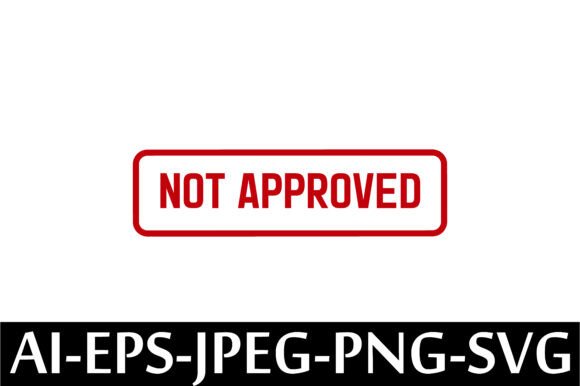
The NOT APPROVED Rubber Stamp Design Vector immediately catches attention with its clean, bold typography and the classic rubber stamp aesthetic. The design features thick outlines and a slightly raised appearance, mimicking the texture of ink on paper. This gives it a vintage, official feel—ideal for handmade products where a touch of authenticity or playful rebellion is desired.
Visually, it feels like something you might see stamped on a rejection letter or a protest sign, which makes it both charming and expressive. It's not overly detailed, but the contrast between the filled letters and the background makes it easy to read and stitch clearly. The layout is straightforward, centered, and well-balanced, making it suitable for a variety of placement scenarios.
Who Is This Design For?
This vector graphic naturally fits into creative branding, personalized gifts, and custom apparel. Its strong visual identity works best when used intentionally—as a statement rather than a subtle accent. Think about using it on tote bags for boutique owners who want to express a unique vibe, or on sweatshirts for a fun, ironic twist in casual wear.
Real-World Performance: What Works and What Doesn’t
When I tested NOT APPROVED Rubber Stamp Design Vector on a few common embroidery substrates, including cotton blends and felt for patches, the results were mostly positive. The design stitched cleanly with minimal distortion, especially when using a medium-density fill stitch and proper stabilizer. However, some aspects require careful consideration depending on your project type:
- Custom Apparel: On t-shirts and sweatshirts, the design stands out well when placed on lighter-colored fabrics. Darker backgrounds may require a white underlay or alternative thread colors for visibility.
- Baby Clothes & Nursery Decor: The phrase “NOT APPROVED” could be too edgy or inappropriate for certain baby-related items unless used humorously or ironically. Always consider your audience before applying such a label.
- Patches and Caps: As an embroidered patch, this design adds a modern flair, especially on denim or canvas. But on curved surfaces like caps, you’ll need to adjust the placement and possibly reduce the size to avoid distortion.
- Tote Bags & Aprons: These are excellent candidates for the design. The flat surface allows the full expression of the rubber stamp style, and the message can serve as a quirky brand tagline or promotional element.
- Kitchen Towels & Pillow Covers: While the design stitches well on these items, its boldness may clash with more delicate or decorative patterns. Use it sparingly or pair it with simpler motifs.
- Holiday and Wedding Gifts: Again, the content of the design matters. Unless it's part of a themed collection (like a humorous “Not Approved by Grandma” gift), it might not be appropriate for all occasions.
Small Hoop Sizes and Textured Fabrics
If you're working with small hoop sizes, say for embroidered patches or cap embroidery, be prepared to scale down the design carefully. Tiny details may get lost, and the message will become less readable. Also, avoid using this design on highly textured or stretchy fabrics unless you’re willing to experiment with stabilizers and tension settings. The rubber stamp effect relies on smooth, even stitching—textured surfaces can dull that crisp finish.
Design Considerations for Craft Business Owners and Etsy Sellers
For those of you running a craft business or selling handmade products on Etsy, this design can be a great addition to your design assets, provided you use it wisely. Its retro appeal makes it perfect for vintage-style tote bag designs or sweatshirt embroidery that needs a bit of personality. You can also incorporate it into printable mockups for digital sellers who want to showcase their digital embroidery files in action.
However, don’t assume it'll work everywhere. If you're targeting a professional or luxury market, the phrase might come off as unrefined. Likewise, if you're looking to maintain a consistent brand image, ensure this design aligns with your overall tone and values. It's not just about how it looks—it's about what it says.
Stitch Clarity and Thread Color Choices
One thing I noticed during my tests was that the clarity of the design depends heavily on thread color selection. On light fabric, black or dark red threads really pop, enhancing the rubber stamp illusion. But on darker materials, you’ll need a contrasting base color or additional layers like a white running stitch underneath to make the text legible.
Also, because the design uses solid fills and outlines, it benefits from a balanced stitch density. Too loose, and the letters appear jagged; too tight, and they lose their soft, hand-stamped feel. Spend time adjusting the stitch settings based on your chosen fabric and machine capabilities.
Where Caution Is Advised
While the NOT APPROVED Rubber Stamp Design Vector has charm, there are situations where it should be used with care:
- Thin or Stretchy Fabrics: These can cause the design to pucker or distort, especially if you're using dense satin stitches without adequate backing.
- Detailed Corners and Tiny Lettering: Although the font is large enough for most projects, the corners and edges may benefit from a test run to ensure they hold up after multiple passes.
- Frequent-Wear Items: Since the design lacks intricate elements, it may fade faster on items that undergo frequent washing or friction, like aprons or tea towels. Reinforce with quality thread and consider using a washable stabilizer.
- Commercial Use: Before selling finished products or digital machine embroidery designs, double-check the licensing terms. Many free vectors aren't intended for commercial resale unless explicitly stated.
Practical Embroidery Designer Tips
To ensure the best outcome with NOT APPROVED Rubber Stamp Design Vector, here are some practical steps I recommend:
- Always test the design on scrap fabric first. Try different thread colors and stitch types to see what works best.
- Review stitch density settings for your specific machine and fabric combination.
- Confirm the hoop size required for the design. If it's not specified, try scaling it down gradually until it fits comfortably.
- Inspect small details, like the inner lines of the letters, to ensure they remain intact after stitching.
- Test the design in black and white to evaluate how it appears in grayscale, which can help with thread color planning.
- Compare how it looks on both light and dark fabric backgrounds to understand its versatility.
- Use proper stabilizer to prevent puckering, especially if you plan to embroider on woven or synthetic blends.
- Check whether the design functions effectively for both personal and commercial embroidery purposes.
- Verify licensing before offering the final product for sale or bundling it with other digital embroidery files.
Final Thoughts: A Niche Design with Big Potential
The NOT APPROVED Rubber Stamp Design Vector isn’t a one-size-fits-all solution, but for the right project, it can add a unique and memorable touch. It's particularly effective for personalized gifts, custom apparel, and small shop merchandise that leans into a vintage or rebellious theme. The design's simplicity is its strength—but also its limitation.
From a customer trust and product value perspective, the phrase "NOT APPROVED" could either resonate as clever branding or confuse buyers expecting something more traditional. That said, if your target audience appreciates irony, nostalgia, or bold statements, this design might just be the standout feature your next project needs.
As always, remember that embroidery files are only as good as how they’re applied. Take the time to evaluate each aspect of the design in relation to your materials, tools, and end goals. With a little tweaking and thoughtful application, NOT APPROVED Rubber Stamp Design Vector can become a valuable asset in your graphics library.