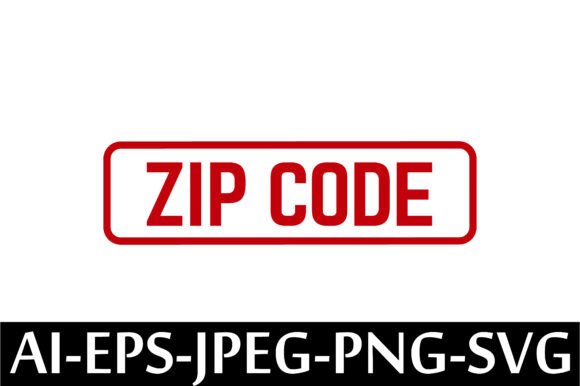
ZIP CODE Rubber Stamp Design Vector for Handmade Business Graphics and Freebies
As a seasoned crafter and handmade business designer, I'm always on the lookout for versatile graphic design assets that can elevate my product offerings without compromising quality or style. Recently, I came across the ZIP CODE Rubber Stamp Design Vector, and after testing it in several real-life crafting scenarios, I’m ready to share my honest review and insights into how this digital graphic can be a valuable addition to your creative toolkit.
A First Look: What Makes This Design Stand Out?
The ZIP CODE Rubber Stamp Design Vector immediately caught my attention with its clean, minimalist aesthetic. It feels both classic and contemporary—perfect for those who want their handmade products to have a timeless yet modern appeal. The design suggests a rustic charm, like something you'd see on a vintage letterpress card, but with enough simplicity to work well in digital formats.
This vector design doesn’t scream bold or flashy; instead, it whispers elegance. Its subtle texture and shape make it ideal for adding a touch of personality to items like greeting cards, gift tags, planner stickers, and packaging. I found it especially fitting for fall and winter collections where cozy, homey vibes are key.
Who Might Be Drawn to This Design?
- Crafters focused on personalization: ZIP codes are a popular way to add local flavor or sentimental value to gifts.
- Etsy sellers and small business owners: Those looking to create seasonal bundles or branded items will find this asset useful.
- Printable product creators: The design’s clarity works well for wall art, printables, and planners.
- Customers wanting hometown pride: Buyers from towns with unique zip code histories may appreciate having that number represented artistically.
Real-World Crafting Applications
Let me walk you through how I’ve used the ZIP CODE Rubber Stamp Design Vector in my workflow. Whether you're prepping for an Etsy launch, a craft fair drop, or just a fun weekend project, this design has proven itself adaptable and functional.
For Cricut and Silhouette Projects
I tested the ZIP CODE design on a Cricut Explore Air 2 and Silhouette Cameo 4. Both machines handled the SVG file well, though I noticed that the fine lines needed careful scaling. When resized too small, some details got lost during cutting. However, at standard sizes (around 3-4 inches), the cuts were crisp and consistent. I used it for tumbler wraps and tote bag designs, where it added a nice visual anchor without overwhelming the layout.
Sticker Design and T-Shirt Printing
On sticker projects, the ZIP CODE design looked great when paired with a simple script font. It gave the stickers a nostalgic, handcrafted feel. For t-shirt designs, I layered it subtly behind text-based graphics, which helped maintain legibility while enhancing the overall look. Just keep in mind that if you're printing on dark fabric, you’ll need to adjust the contrast settings accordingly.
Gift Tags, Mug Designs, and Party Favors
One of the most effective uses was on custom gift tags. I paired the ZIP CODE illustration with a handwritten-style font and a tiny floral border—it instantly felt like a premium product. On mugs, using heat transfer vinyl with the design as a central element worked beautifully, especially for personalized items. For party favors, I printed the ZIP CODE pattern onto kraft paper envelopes, giving them a charming, homemade appearance perfect for fall-themed events.
Printable Wall Art and Planner Pages
As a printable design, ZIP CODE really shines. I created a few mockups using Canva and Adobe Illustrator, and the PNG version had excellent transparency and layering options. It looks fantastic as a background element in planner pages or as part of a larger collage in wall art. Because it's a digital product, you can easily scale it up for larger prints or down for smaller inserts, making it flexible for various customer preferences.
Handmade Packaging and Branding
Incorporating ZIP CODE into handmade packaging was a breeze. I used it on wax seals, tissue paper patterns, and even as a stamp on wooden boxes. The design didn’t feel out of place in any of these formats, and it helped reinforce a local or personalized brand identity. For small business branding, especially if you're targeting niche markets like postal enthusiasts or regional collectibles, this could be a great signature element.
Where This Asset Works Best
Here are the top use cases where I found the ZIP CODE Rubber Stamp Design Vector to perform exceptionally well:
- Large cut files: The design is best suited for bigger surfaces like tumblers, large stickers, and banners.
- Clean printable layouts: Its minimalism makes it easy to integrate into calendars, journal covers, and decorative printables.
- Seasonal craft bundles: Especially in autumn or winter collections, this design adds a warm, familiar touch.
- Gift products: Customized mugs, shirts, and totes become more meaningful when paired with a ZIP CODE illustration.
- Decorative accents: Use it as a watermark, corner embellishment, or border element in your designs.
- Personalized items: Combine it with names, dates, or locations for a unique touch on wedding favors, birthday gifts, and more.
- Product mockups: The ZIP CODE design helps visualize how a product might look in different colorways or materials.
- Print-on-demand: Its adaptability makes it a strong candidate for digital storefronts and creative marketplaces.
When to Use It Carefully
While the ZIP CODE design is incredibly versatile, there are some limitations to consider before using it in production:
- Very small cutting details: Thin lines or intricate elements may not hold up well when scaled down.
- Thin lines and crowded compositions: If your layout is already busy, the ZIP CODE design might get lost or feel cluttered.
- Low-contrast colors: The design relies on clear shapes, so avoid using it with very muted or pastel palettes unless you enhance the contrast.
- Layered vinyl projects: Because of its layered appearance, it may require extra attention when using multiple vinyl layers.
- Small sticker sizes: As mentioned earlier, the design loses detail when shrunk too much.
- Designs requiring clean, readable shapes: If you're aiming for high legibility in a logo or label, consider simplifying the design or pairing it with bolder typography.
Practical Crafter Notes
Before jumping into mass production or listing it as part of a commercial design bundle, here are a few tips based on my experience:
- Test the file before selling finished products: Always do a trial run on actual materials to ensure the design holds up post-production.
- Check if SVG lines are clean: Open the file in a vector editor like Adobe Illustrator or Silhouette Studio to confirm there are no overlapping or broken paths.
- Preview PNG transparency: Make sure the transparent background renders correctly in your editing software before finalizing a design.
- Confirm resolution for sublimation: If you plan to use it in sublimation printing, check that the PNG file has sufficient resolution for sharp results.
- Test colors before printing: Try the design in black-and-white, then in color variations to see how it adapts.
- Check how it looks on white and dark products: Contrast is key for visibility and aesthetics.
- Place it on real mockups: Use free mockup tools to preview how it looks on different items before presenting to customers.
- Resize it for different products: Don’t assume one size fits all—adjust dimensions according to the item being designed.
- Simplify the layout if needed: Remove unnecessary elements if the design becomes too busy or hard to read.
- Pair it with appropriate fonts: I recommend serif, sans serif, or script styles to complement its organic look. Avoid overly decorative display fonts that clash with the design’s tone.
- Confirm commercial licensing: Since it's a freebie, double-check the license agreement to ensure it allows use in customer orders and commercial products.
Final Thoughts for Crafters and Small Business Owners
Overall, the ZIP CODE Rubber Stamp Design Vector is a solid graphic design asset that offers both visual charm and practicality for a range of handmade and digital projects. It's particularly strong in creating a sense of nostalgia and personal connection, which is invaluable for Etsy shops and small businesses that thrive on emotional storytelling.
If you’re working on a seasonal collection or looking to build a line of personalized products, this design could be a great fit. But remember to tailor it to your specific needs and test it thoroughly before moving into production. With the right adjustments, it can seamlessly blend into your creative workflow and help you stand out in the handmade market.